
You Don’t Need a Retreat to Feel Better.
Every year, countless people book wellness retreats and holidays, hoping to return home feeling healthier, lighter and calmer in the mind and more like themselves. And often they do. They sleep better, they use the phone less, they walk more and enjoy the simple things about life that are often ignored when we are in routine. I remember when I was in yoga, many of my fellow students were then heading to a Vipassana (what is a Vipassana). But the thing is, you do come back, your mind changes, your thoughts change, but – this is only temporary.
As life returns to normal, those retreats slowly become a distant memory, and the plans begin for investing in another one. Instead of asking, “Where should I go to feel better?”, perhaps we should be asking, “What was I doing differently while I was there that allowed me to feel like myself?”.

A complete getaway will make me feel better - right??
Retreats, more often than not, share something surprisingly simple – they create an environment where the body can finally do what it has been asking for all along: move, breathe, rest and recover. Getaways are great; I highly encourage them, yet we can work on finding that peace and balance in our everyday lives, so we don’t have to wait until we are completely exhausted and need a complete overhaul and reset.
Our body, breath, mind, and the food we eat require attention every day. These pillars can help ground us, make us feel lighter and allow us to overcome or manage our hectic lifestyles and stressful situations.
The destination of a retreat is not the medicine, yet there is something undeniably restorative about stepping away from everyday life. Changing your routine, habits and environment can give you perspective and create space to think with clarity. The destination is not doing the healing; it is what the destination is allowing you to do.
Modern life encourages constant stimulation; we are constantly connected to our phones, messages, emails, responsibilities and endless to-do lists. We eat at our desks, scrolling on our phones or reading emails, sitting for hours without moving and only pausing when we become exhausted.
So we book that holiday or retreat.
Suddenly, we take breakfast while looking at nature, we really taste our food, we chase sunsets and sunrises, and we hike in nature to feel calmer, at peace and more like ourselves. Without consciously trying, we begin to do many things researchers have associated with better mental and physical health. The location changed, but so did our behaviour.
The body doesn't recognise holidays. It recognises habits.
One of the biggest misconceptions about well-being and feeling good is that the transformation has to be dramatic. A detox, a retreat, the perfect morning routine which full-time health influencers promote unrealistically… yet our biology tells a completely different story. Yet our biology tells a different story.
Our bodies respond remarkably well to consistency; we just have to start with just a few minutes a day and stack these well-being micro practices on top of our everyday routine that has become second nature.
A few minutes of gentle movement each day can do more for long-term health than an occasional burst of intense exercise followed by weeks of inactivity.
One intentional minute of slow breathing can begin shifting the nervous system from a heightened state of alertness towards one of recovery.
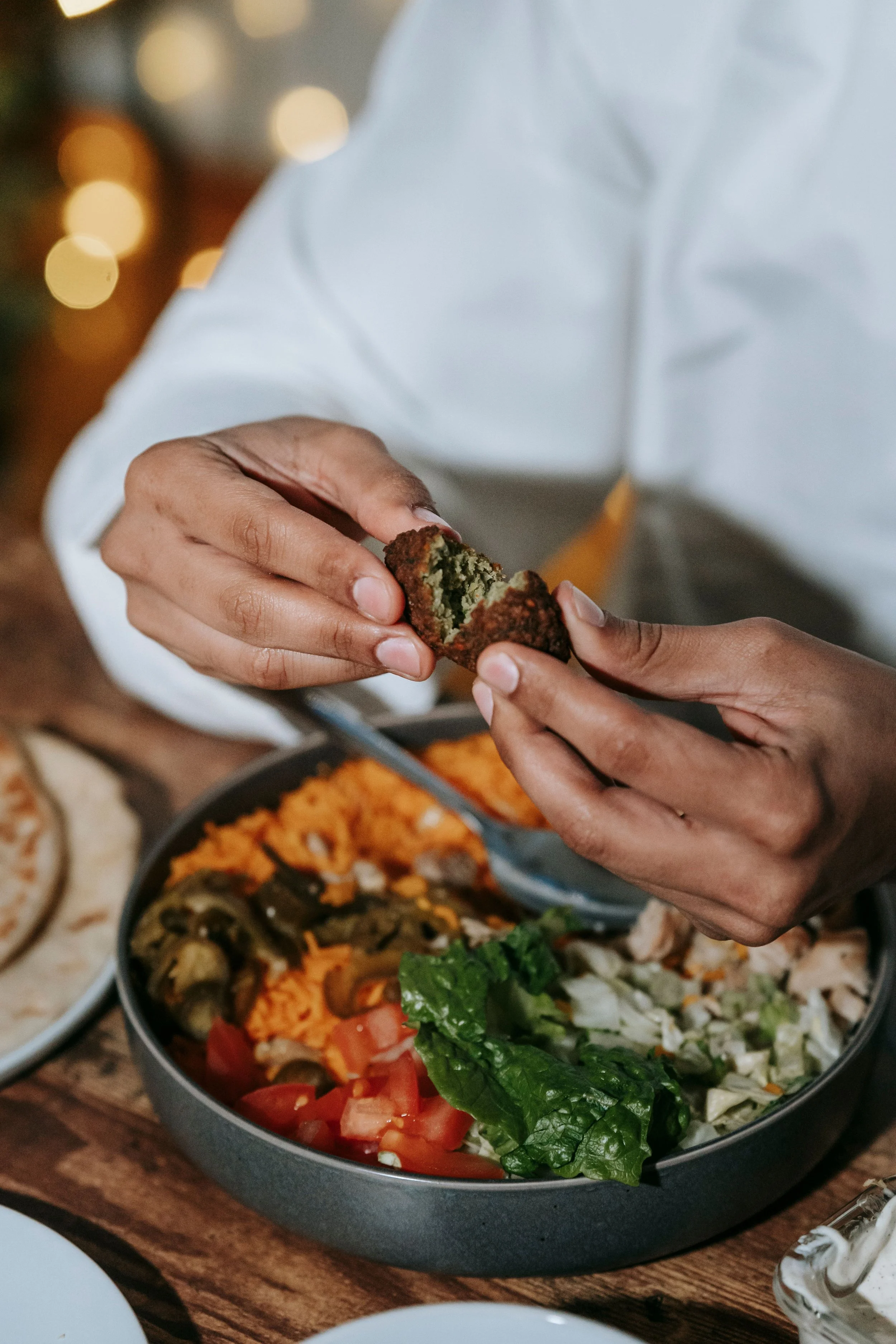
Even something as simple as eating without distractions allows us to notice our food, our hunger and the experience of nourishing ourselves rather than simply consuming calories as fuel.
None of these small practices will feel life changing on their own, but with consistency, the powerful impact it can have on our body and lives will be evident with repetition.
Coming home to your body
At Ananta Vida, we believe in coming home to yourself, returning to centre. For me, this begins simply with coming home to the body.
Our bodies are constantly communicating with us, we need to listen and understand what it is saying. Sometimes it communicates loudly, sometimes its quietly and can show up as neck pain, back pain, energy crashes, restless sleep and more. These are not inconveniences we need to disregard and push through to overcome, this is vital information.
All these signs and signals our body tells us, and we have become exceptionally good at ignoring them because life is too busy. Tiredness is medicated with caffeine, stress with distraction, hunger with convenience and stillness with some scroll time on our phones.
The key is to begin paying attention to our bodies again, as it is telling us exactly what it needs – perhaps more movement, more nourishment, or perhaps, it simply needs rest.
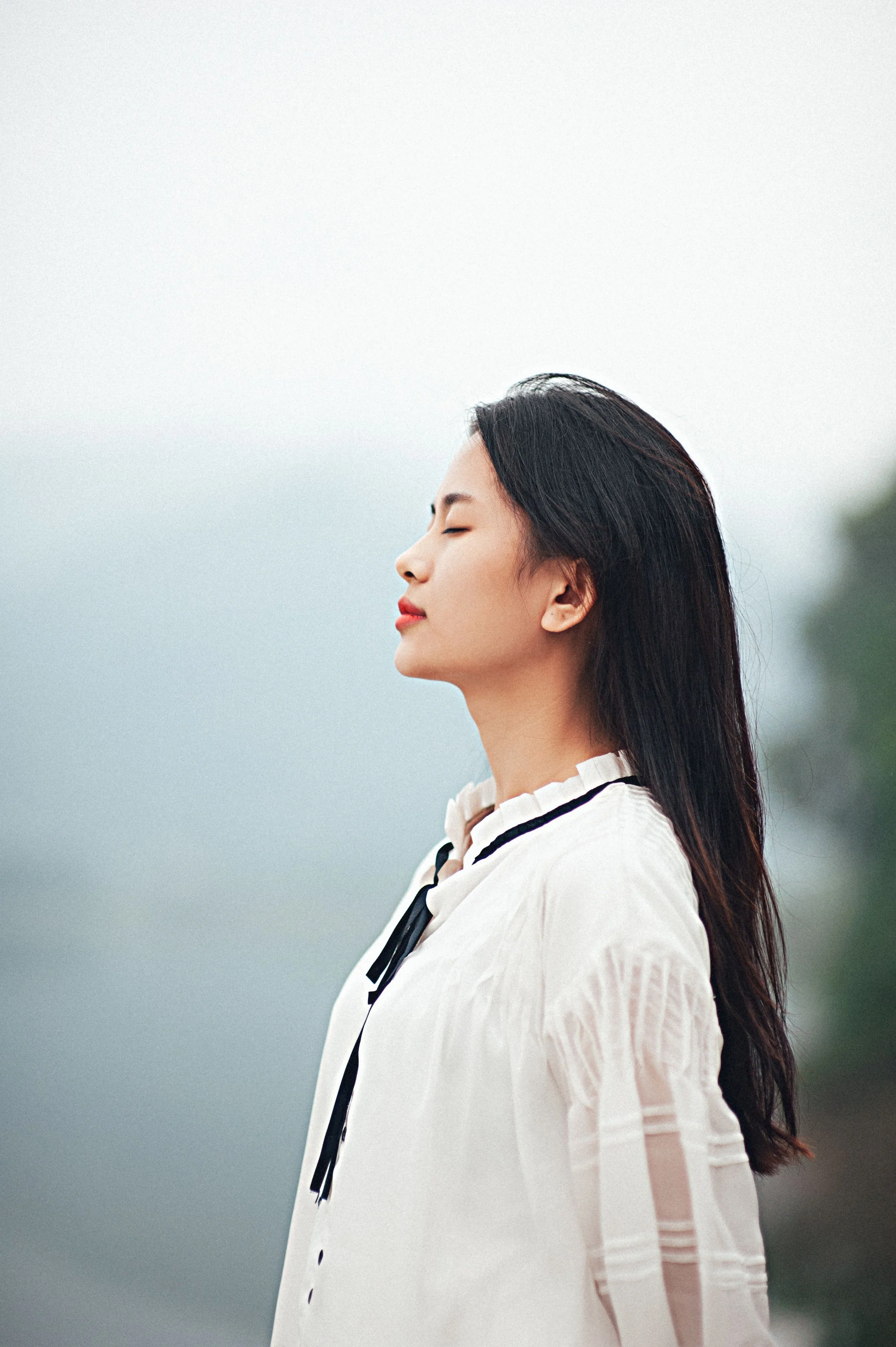
Did you know that your breath is always available?
This seems like such a crazy and obvious question, but before we all had wearables telling us how many steps we have done, calories burnt, and how efficient our sleep was, ancient traditions used breath to influence the way we feel.
It is one of the few functions that automatically happens in the body; it is also controllable and can be consciously guided. When our lives get so overwhelming, the instinct is often to search for a solution somewhere outside of ourselves, but the immediate tool that can help is already with us.
A slower inhale or a slower exhale – with just 1 minute of paying attention to our breath- can create awareness of reacting automatically or with conscious thought.
Breath exercises won’t solve all of our problems, but they can change how our minds meet them.
Nourishment goes far beyond what’s on your plate.
Modern nutrition is prescribed as medicine; lose more weight, eat less calories, consume x number of grams per body weight, drink x amount of mls of water per kg of your weight. These are guidelines, and nutrition is never a one size fits all. Not only does what we consume affect our bodies and minds, but also how we consume it.
When we eat with people, when we eat with distractions, if we eat seated on the floor or with our hands, our body digests the food and nutrients in different ways. If we slow down, chew thoughtfully and enjoy the food that we consume, it will nourish us in a beneficial way and become an act of self-care on its own. Nutrition, fitness and health is not all about calories in and calories out.
Food is connection, culture, ritual, pleasure and one of the most important medicines for our body and mind.
Rest is not something that is earned
When we escape on retreats and holidays, the greatest lessons these getaways teach us are is permission. To slow down, stop checking emails, sit quietly, enjoy the simple things and the surroundings, take the time to read a book, do … nothing.
Rest is something that we started believing had to be deserved, and only then could we slow down once we had finished all our tasks, but you know what? Our task list will always be endless, and if we wait until everything is done before we rest, we will be waiting forever. Recovery is not the reward for working hard; it is one of the reasons we are able to continue.
Life is not meant to be escaped!
I am not saying that retreats and holidays are not valuable; I am an avid traveller and love exploring the world, food and cultures, and it can be a truly meaningful experience. They give us distance, perspective and an opportunity to reconnect with ourselves, which we so often forget to do in our everyday lives.
The greatest gifts of retreats and holidays aren’t what happens while we are there; it is reminding us what actually makes us feel well – and we do it unconsciously because we are more aware of our bodies and minds in these environments.
We don’t need luxury, escapism, or perfection, but enough sleep, the morning sun, daily movement, nourishing meals, conscious breathing, time outdoors and connection with people we care about.
These practices are not extraordinary – funnily enough, they are deeply ordinary, and that’s just the point. Real well-being is not built during a beautiful weekend retreat in the mountains or beside the ocean. It is built on an ordinary Wednesday morning when you choose to stretch and breathe before looking at your phone, when you choose to exercise before the sun is up, when you put the phone away when you meet with your friends, when you taste the food you put into your body.
Your health begins when you take a greater awareness of your body and mind and really start listening to it. Well-being isn’t somewhere you travel to; it’s something that you return to
One breath.
One meal.
One movement.
One moment of stillness.
One ordinary day at a time.