
The Way We Were Meant To Move
What flexibility, mobility, and ancient movement traditions can teach us about moving well.
Often, I hear people say “I am not flexible enough to do yoga,” or, “I tried it once, but I am just not good at it.”
But what does it really mean to be ‘good’ at yoga?
Most definitely part of this confusion comes from what we see. On social media, yoga is often presented through deep backbends, extreme splits and dramatic shapes that require years of practice or beyond ordinary flexibility. This movement and ‘poses’ are definitely impressive, but they also create an impression that yoga is how far we can stretch, how much we can contort our bodies, or how closely we can replicate someone else’s shape.
The physical practice of yoga is not simply a competition of flexibility or who can or can’t wrap their feet around their heads. It is a practice of strength, stability and control which is what we need to meet the demands of everyday life – and adapt when those demands change.
So the question we should be asking is not “How flexible do I need to be to do yoga?” it should be “What does it actually mean to move well?”
When Did We Stop Moving Naturally?
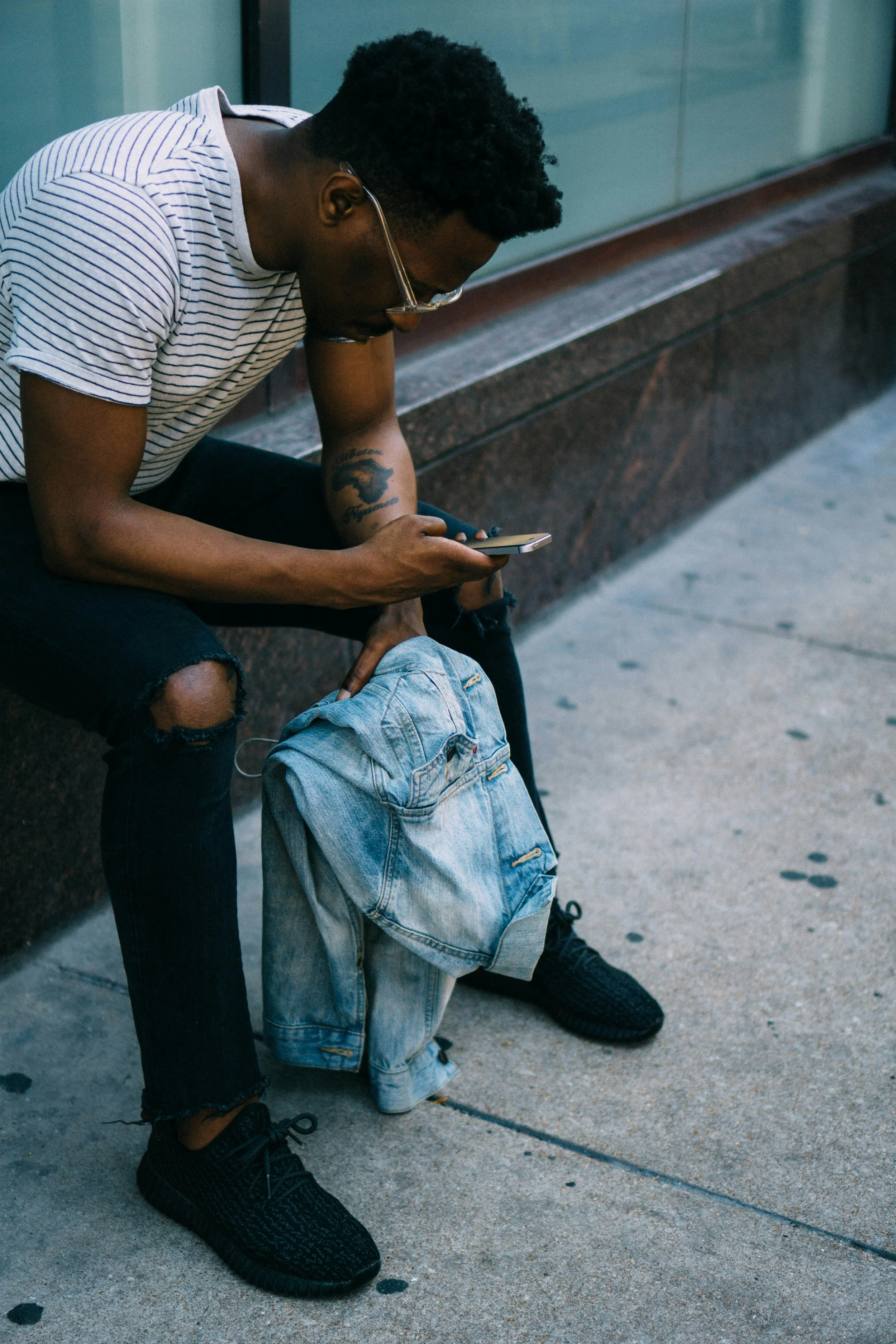
As life is becoming more and more convenient and everything is at the tap of a button, or a scan of a code, our bodies are seizing up and having difficulty moving throughout the day. This is not only affecting our physical health now, it can also show up when we are in our 70’s through injury, imbalance and various other diseases.
When humans hunted and gathered, the way they rested and moved differed greatly from how we do so today. Even while resting, they changed positions from squatting to sitting cross-legged, to kneeling. Today, our modern environments encourage us to spend long periods in a relatively small number of positions.
For much of human history, movement was required throughout daily life. Walking long distances, carrying objects, kneeling, squatting and changing positions frequently were not forms of exercise; they were simply a part of daily living. Even in periods of rest, changing positions was involved. Sitting on the ground, squatting or kneeling offered different demands on the body than remaining in the same position in a chair for hours at a time.
The positions our bodies assume today are very predictable – sitting at a desk, in a car, at a dining table or on the sofa. The environment in our homes and workplaces is designed to make life easier; however, by doing so, they have contributed to the reduced amount and variety of movement built into our daily lives.
The issue we are facing isn’t simply that we aren’t exercising enough; it is that we aren’t moving enough throughout the day.
That one-hour workout before or after work is definitely valuable to our health, but it doesn’t necessarily compensate for the hours we spend in the same position sitting and barely shifting from this position. Our bodies were designed for movement, not just to exercise.
Perhaps this is where we need to change the narrative and the way we think about physical activity. More movement does not have to mean another hour at the gym, it can mean taking the stairs instead of the escalators (or lift), walking instead of driving, stretching, standing and changing positions throughout the day.
The goal isn’t necessarily to do more exercise; it is to constantly move intentionally throughout the day in more varied ways.
What is Flexibility?
Flexibility is the ability of a muscle and the surrounding tissues to lengthen allowing a joint to move through a range of motion.
Various factors can affect flexibility, including joint structure, muscle and connective tissue extensibility, and the state of the nervous system (link here).
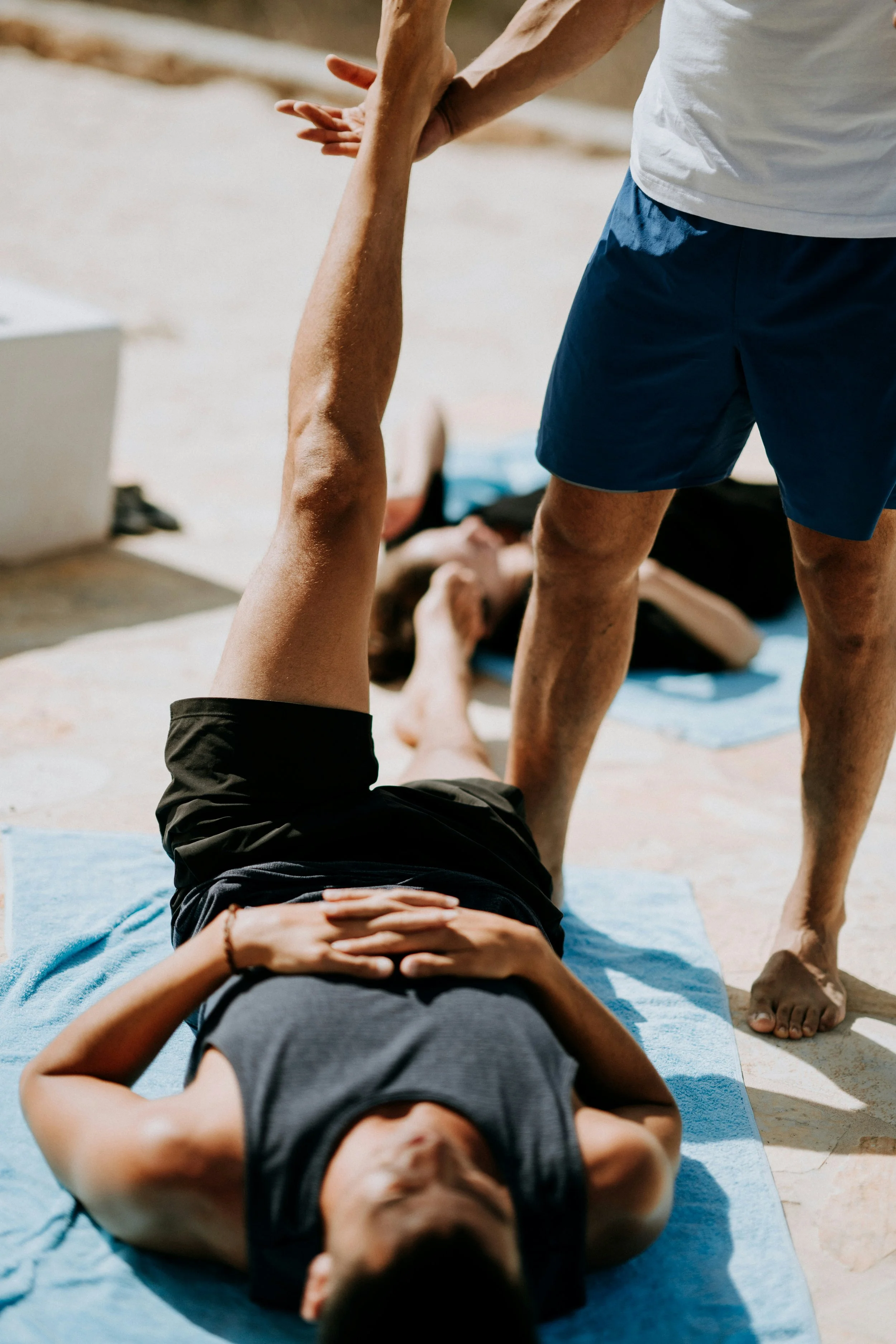
Flexibility can be explored through different stretching techniques including static stretching, dynamic stretching and proprioceptive neuromuscular facilitation (PNF). It can also be achieved with the assistance of props, another person or gravity.
Some examples of flexibility include touching your toes, performing the splits, and reaching your arms overhead. However, the ability to achieve that particular position does not necessarily tell us how we can control that position.
This is how we can see flexibility differ from mobility.
Then What is Mobility?
If flexibility tells us how much range of motion that is available to us, mobility tells us how well we can use it.
Mobility is the body’s ability to actively move a joint, or several joints, through its available range of motion with adequate strength, stability and control. Mobility is active, and the muscles, joints and nervous system need to work together to create and control the movement.
Think about touching your toes from a seated position (paschimottonasana) – being able to touch your toes can indicate flexibility; however, being able to hinge and reach beyond the feet with control also requires strength, control and coordination.
Mobility, therefore, is about having enough usable range of motion to move throughout our daily lives with ease, walking up stairs, rotating, squatting. Good mobility can help support efficient movement and physical function, can help ease pain as well as possibly help us from sudden injuries in our daily lives.
So flexibility enables range within our body, mobility gives us access to that range, and movement helps facilitate it.
How Does Movement Happen?
Movement is possible through the interaction of various tissues and systems within the body, such as fascia, muscles, tendons, ligaments, the Central Nervous System, and joints. It is not solely based on muscle contractions, and it is movement that allows us to stand up from sitting, reach for items in our cupboard, or turn around to look behind us etc.
Movement is possible through the interaction of multiple systems working together within the body. Muscles generate force, tendons help transmit that force, joints provide the points of movement, connective tissues help distribute and transfer tension, and the central nervous system coordinates when, where and how.
Everyday movement is a constant interaction between strength, mobility, coordination, balance, stability and sensory information. It allows us to stand up from sitting, reaching up into a cupboard, turning to look behind us, climbing stairs or adjusting balance when we can lose our footing.
Movement is the collaboration of multiple systems in the body to work together to produce, control and adapt to movement.
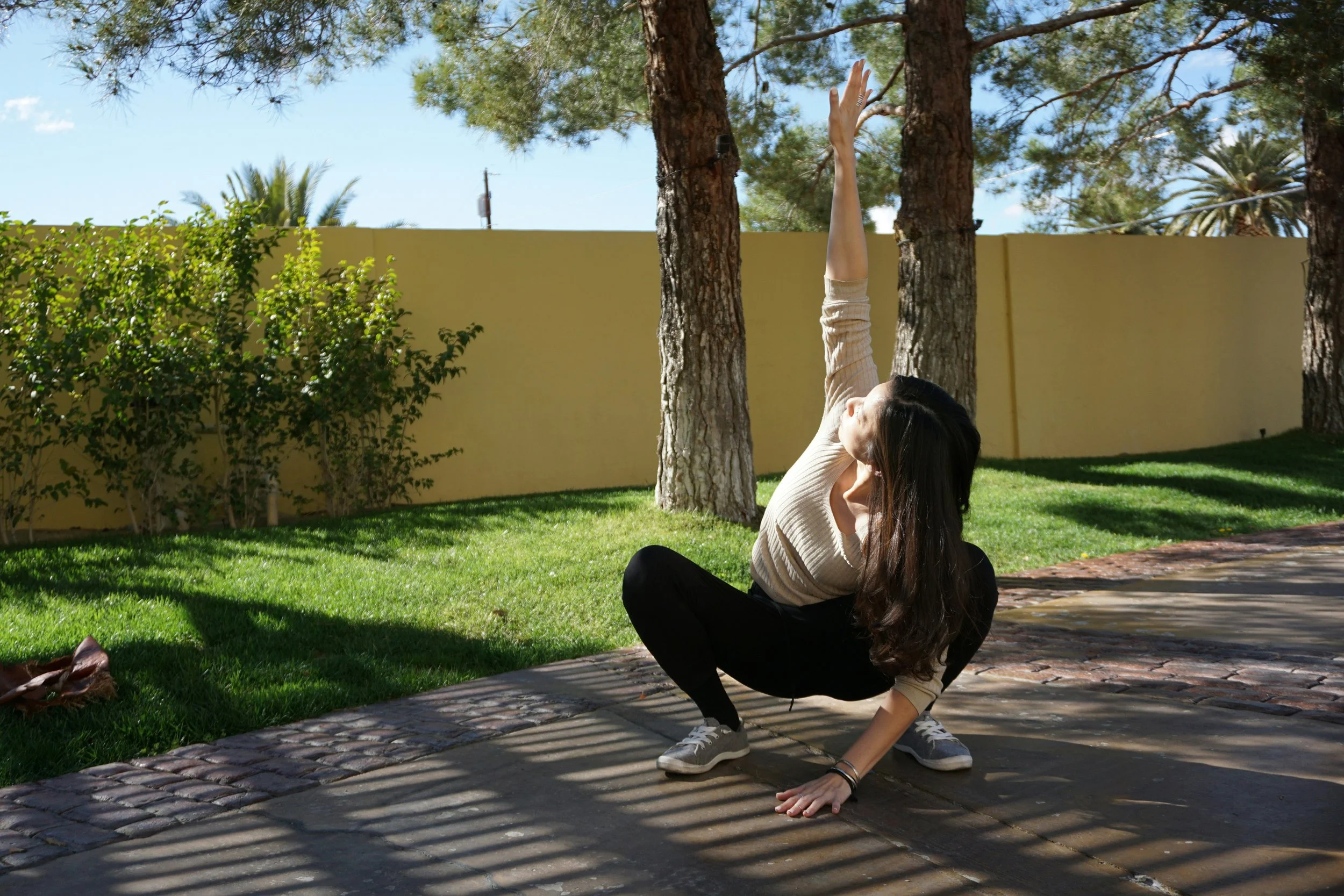
What We Learn From Ancient Movement Traditions
Well, there was no terminology such as ‘mobility’ or ‘flexibility’ as we understand these concepts today. Movement was woven into daily life unintentionally, and was less about achieving a particular physical standard and more about how the body could be controlled, used and experienced.
Yoga offers an interesting perspective.
In the Yoga Sutras 2.46, Patanjali describes asana (posture) as sthira sukham āsanam – which is often translated as steadiness and ease within a posture or breath.
This is not a definition of mobility from ancient text to the modern world, but a perspective – that we should move to positions through movement, and this requires strength (steadiness), which results in ease.
We need to find a balance of sufficient range of motion, stability, and ease of movement to support the body through the demands of life, while also allowing enough space and comfort for movement to feel sustainable.
We don’t necessarily need the greatest possible range of motion – what we need is enough range, strength, stability and coordination to meet the demands of our lives.
Yet we are so exposed and influenced by images and videos of people pushing their bodies to extraordinary extremes. Full splits, deep back bends, and highly complex movements can make us feel that our own bodies are somehow inadequate if we can’t achieve that which can make us stop before we even start.
A capable body doesn’t need to perform extreme movements – it needs to be able to adapt with strength, stability and balance.
And how does this happen?
We still need to train our bodies beyond everyday life tasks through movement (weight training, yoga, dance, etc) and breath (pranayama, breathwork), so when life asks something unexpected of us, our bodies and minds can adapt to reduce both injury and illness.