
What Your Cravings Are Really Telling You
The Science and Ayurvedic Truth Behind Food Cravings
Craving certain foods is not necessarily a bad thing or a lack of willpower. It is simply our body signalling that we are in a state of internal imbalance, driven by a combination of psychology, biology, and environmental factors.
Food cravings are deeply connected to our brain chemistry, blood sugar regulation, stress hormones, and nutrient signalling. When we look at cravings through the lens of Ayurveda, they indicate an imbalance in our doshas (Vata, Pitta, Kapha) and a disruption of our digestive fire (Agni).
As soon as we recognise and understand our cravings correctly, we can stop fighting them and start decoding them. Far from being random, they are driven by four key biological systems.
THE FOUR BIOLOGICAL DRIVERS OF CRAVINGS
1. Blood Sugar Fluctuations and the Energy- First Brain
An immediate driver of cravings is the instability of blood glucose levels. The brain consumes around 20% of the body’s energy and is highly sensitive to drops in circulating glucose.
When blood sugar levels fall—which is especially common after a meal of refined carbohydrates or when meals are skipped—the body interprets this as an energy deficit. To restore balance quickly, the body releases stress hormones like cortisol and adrenaline. These hormones increase alertness and trigger a physiological push toward fast-digesting energy sources such as pastries, sugary drinks, white bread, and sweets. These options deliver immediate energy without requiring complex digestion. Over time, repeating this cycle trains the body to expect quick energy fixes, reinforcing a preference for high-glycemic foods even when they aren't necessary.
2. Dopamine, Reward Learning and Emotional Conditioning
Cravings are also shaped by the brain's reward system, particularly dopamine pathways in the mesolimbic system. Dopamine acts as a "motivation prediction" signal that teaches the brain which experiences are worth repeating.
Highly processed foods are explicitly engineered to maximize this response. By combining sugar, salt, fat, and specific textures, they create a potent sensory signal that produces a rapid dopamine spike. The brain encodes this experience as highly valuable, pairing it with feelings of comfort and relief.
When we repeatedly consume these foods during moments of stress, fatigue, or emotional discomfort, the brain associates them with emotional regulation. Over time, the craving is no longer driven by physical hunger, but by a learned expectation of relief from boredom, anxiety, or overwhelm. While these patterns feel purely psychological, they are deeply ingrained neurobiological habits shaped by repetition and context.
3. Stress Physiology and the Cortisol-Driven Appetite Shift
When the body perceives ongoing emotional, mental, or environmental stress, it activates the hypothalamic-pituitary-adrenal (HPA) axis, increasing cortisol levels.
The evolutionary role of cortisol is to prepare the body for short-term survival, prioritizing quick energy for "fight-or-flight" situations. In modern life, however, stress is often psychological and prolonged rather than physical and acute, creating a physiological mismatch.
Even though there is no physical demand for extra calories, the body behaves as if it needs immediate fuel, shifting our appetite toward calorie-dense and energy-rich "comfort foods." Under stress, activity in the prefrontal cortex (the brain's executive control center) decreases. In this state, our cravings intensify while our ability to regulate them drops, pulling us toward neurologically soothing options.
4. Gut Microbiome Influence and Internal Chemical Signalling
The gut microbiome is a powerful contributor to food cravings. The gut is an active endocrine and neural organ that communicates directly with the brain via the vagus nerve, immune pathways, and metabolic signaling molecules.
The gut environment is shaped by our dietary patterns, and different microbial communities thrive on different types of nutrients. When a diet is high in fiber and rich in diverse, plant-based foods, it supports a diverse microbial population that helps stabilize appetite regulation. Conversely, a diet high in sugar and processed foods feeds microbes that crave those exact ingredients. Your cravings are influenced not just by your brain, but by a living ecosystem that adapts to what you habitually feed it.
THE AYURVEDIC PERSPECTIVE ON FOOD CRAVINGS
Ayurveda offers a complementary perspective, viewing cravings as a sign that one or more of our doshas have become disturbed.
Vata, Pitta, and Kapha are the three vital energies that govern every physiological and psychological process in the body. When they are in balance, our appetite is stable, digestion functions efficiently, and food choices are naturally regulated. When an imbalance occurs, cravings emerge as the body's instinctual attempt to restore equilibrium.
Vata Imbalance
The Vata dosha governs movement, communication, creativity, and the nervous system. It is dry, light, mobile, and subtle in nature. In modern life, Vata is more easily aggravated than the other doshas due to constant screen time, overstimulation, multitasking, irregular eating habits, lack of sleep, and chronic stress.
Excessive Vata leads to racing thoughts, anxiety, restlessness, insomnia, digestive irregularity, and a feeling of being ungrounded. To counter these light and chaotic qualities, the body instinctively seeks out opposite traits. This leads to cravings for sweets, warm foods, bread, complex carbohydrates, creamy dishes, coffee, and other stimulants. While these offer a temporary sense of grounding and comfort, what the body truly needs is true stability: deep nourishment, warmth, a consistent routine, rest, and nervous system regulation.
Pitta Imbalance
The Pitta dosha governs metabolism, intensity, transformation, digestion, and ambition. It is hot, sharp, penetrating, and powerful. When balanced, Pitta provides motivation, courage, strong digestion, and sharp intelligence; when excessive, it can become destructive.
An accumulation of Pitta manifests as irritability, frustration, anger, inflammation, acid reflux, and perfectionism. This often happens when we skip meals, train too intensely, or maintain high levels of productivity for too long, causing our internal fire (Agni) to overheat. To cool this internal heat, the body craves cooling or sharp sensations, such as ice cream, cold drinks, sweet treats, alcohol, and sour foods. These cravings are a clear signal that the body is asking for rest, emotional release, cooling nourishment, and moderation.
Kapha Imbalance
The Kapha dosha governs structure, stability, lubrication, emotional steadiness, and immunity. It is slow, dense, heavy, and cool. In balance, it creates resilience, patience, strength, and calm.
When Kapha becomes imbalanced, it manifests as fatigue, weight gain, sluggishness, emotional attachment, water retention, and a resistance to change. This can spiral into long periods of inactivity, emotional suppression, and overeating. In an effort to wake itself up from this heavy state, the body seeks intense stimulation. This triggers cravings for sugar, dairy, heavy fried foods, and large portions to force a temporary chemical reward spike. Rather than adding more heavy foods, a Kapha imbalance actually requires light movement, warmth, and dietary variety to clear stagnation.
Decoding Your Specific Cravings
Rather than immediately indulging a craving or trying to forcefully suppress it, Ayurveda encourages curiosity.
Food is often just a temporary placeholder for a deeper underlying need.
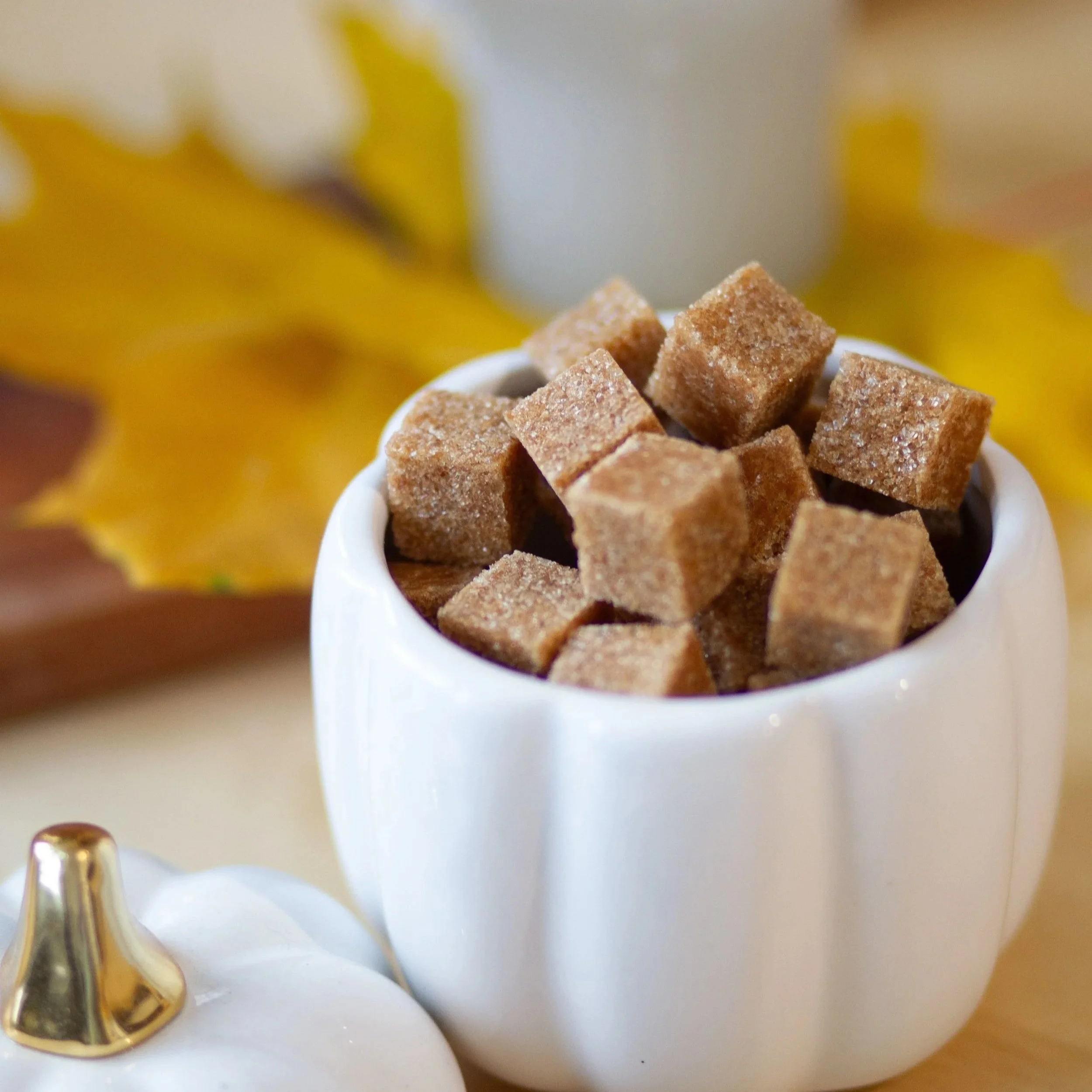
SUGAR
Root Western Signal: Blood sugar crash or dopamine seeking.
Root Ayurvedic Signal: Vata or Kapha imbalance; low Agni.
What the Body Actually Needs: Sustained energy, warmth, or emotional comfort.
Better Food Choices: Dates, nut butter, cinnamon tea.
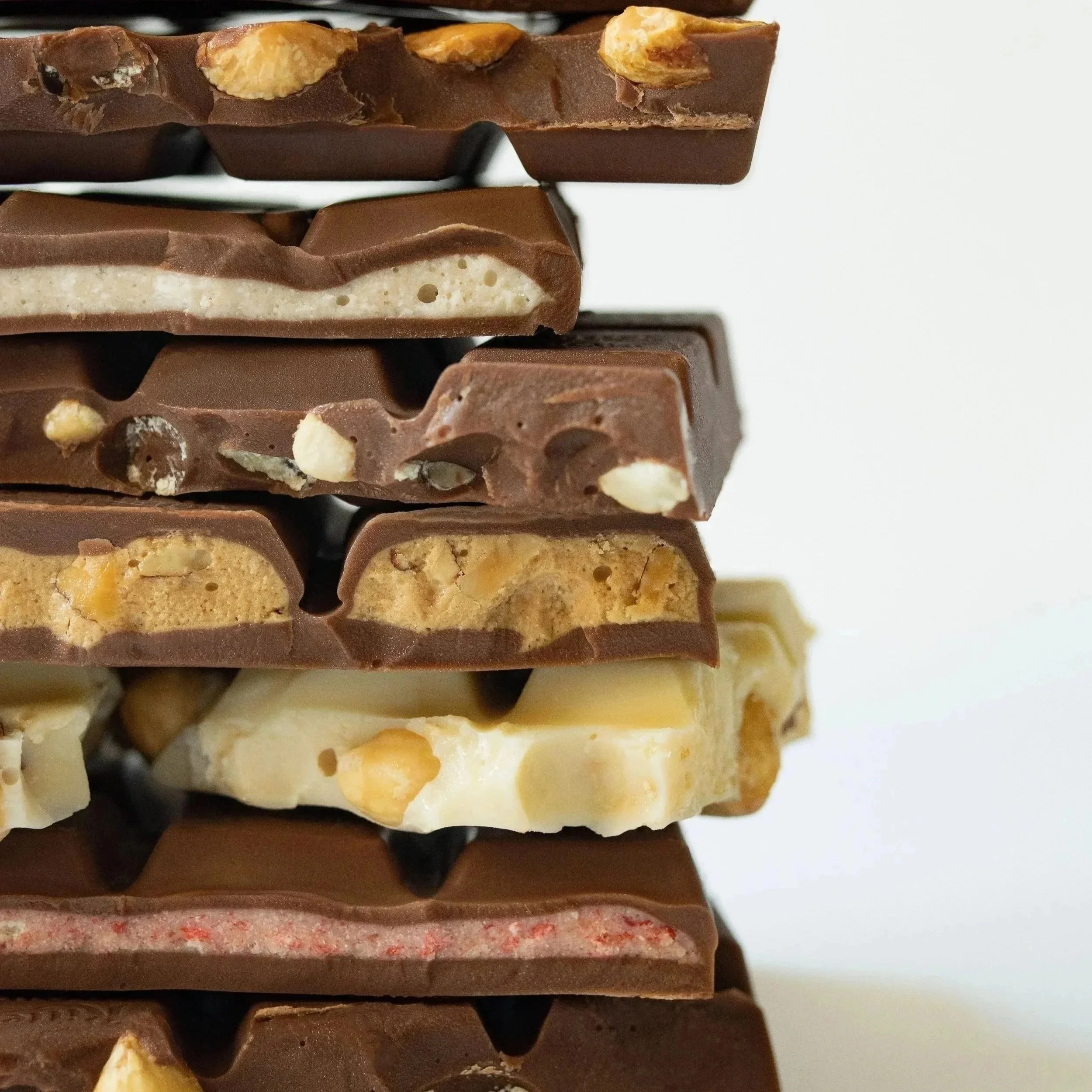
CHOCOLATE
Root Western Signal: Magnesium deficiency or low serotonin.
Root Ayurvedic Signal: Emotional depletion or high stress.
What the Body Actually Needs: Nervous system cooling and emotional comfort.
Better Food Choices: Dark cacao, magnesium-rich nuts, or seeds.
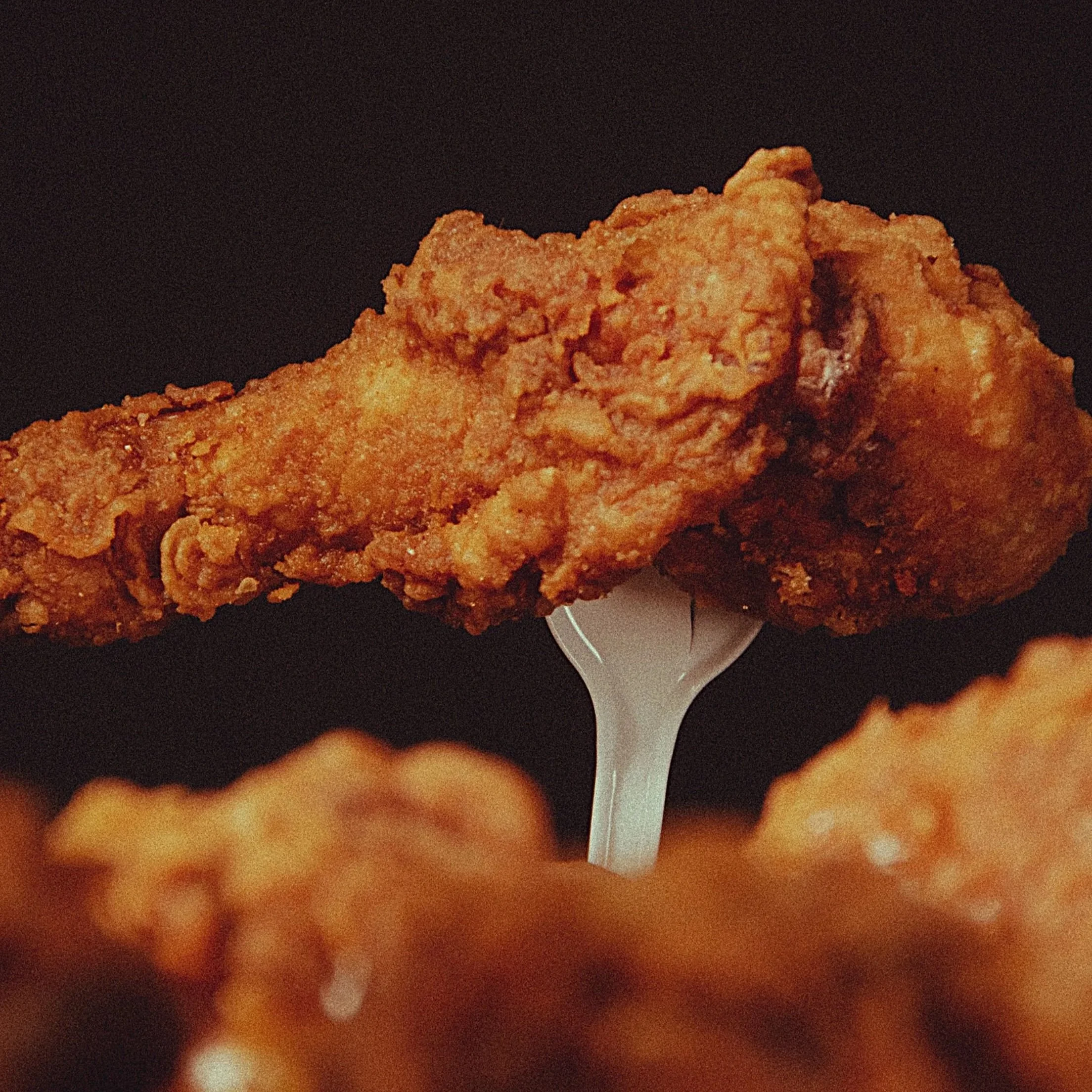
FRIED FOOD
Root Western Signal: Dopamine reward seeking or chronic stress response.
Root Ayurvedic Signal: Vata imbalance and emotional fatigue.
What the Body Actually Needs: Deep nourishment, safety, and healthy fats.
Better Food Choices: Avocado, tahini, or a handful of raw nuts.
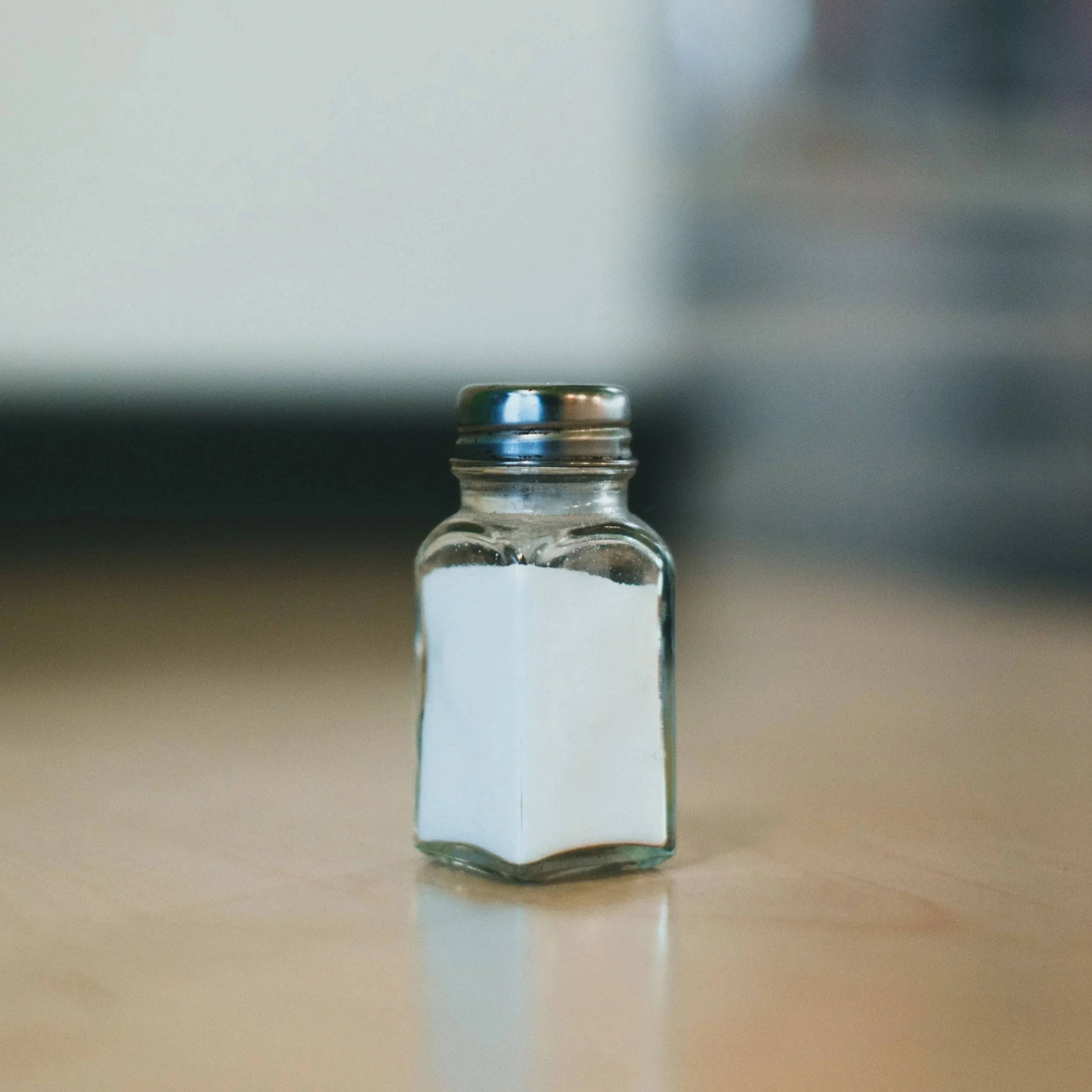
SALT
Root Western Signal: Electrolyte imbalance or adrenal stress.
Root Ayurvedic Signal: Vata imbalance or dehydration.
What the Body Actually Needs: Grounding hydration and nervous system support.
Better Food Choices: Mineral-rich soups, warm water with a pinch of sea salt.
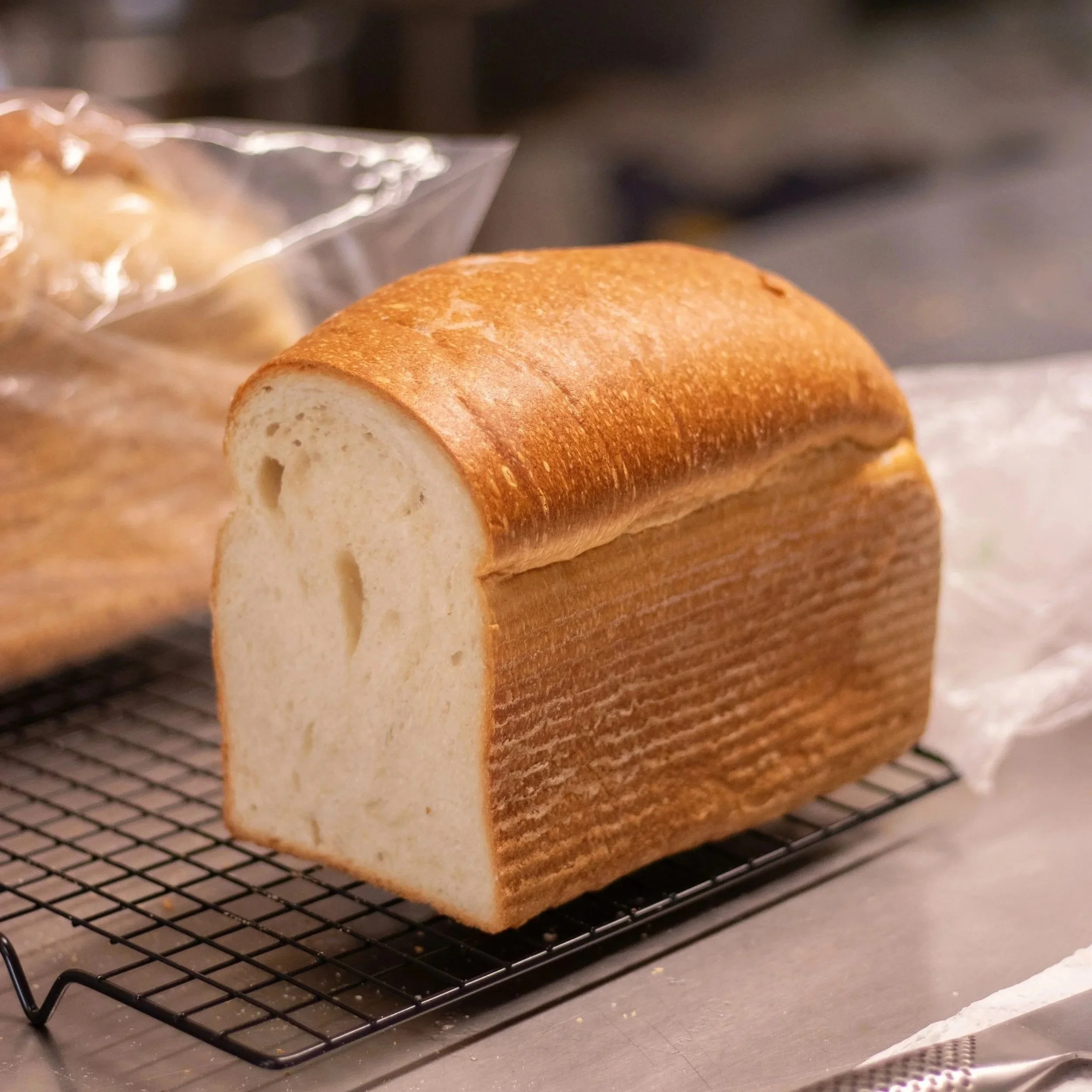
CARBOHYDRATES
Root Western Signal: Insulin instability or low serotonin.
Root Ayurvedic Signal: Vata imbalance.
What the Body Actually Needs: Stability, satiety, and grounding energy.
Better Food Choices: Sweet potatoes, oats, quinoa.
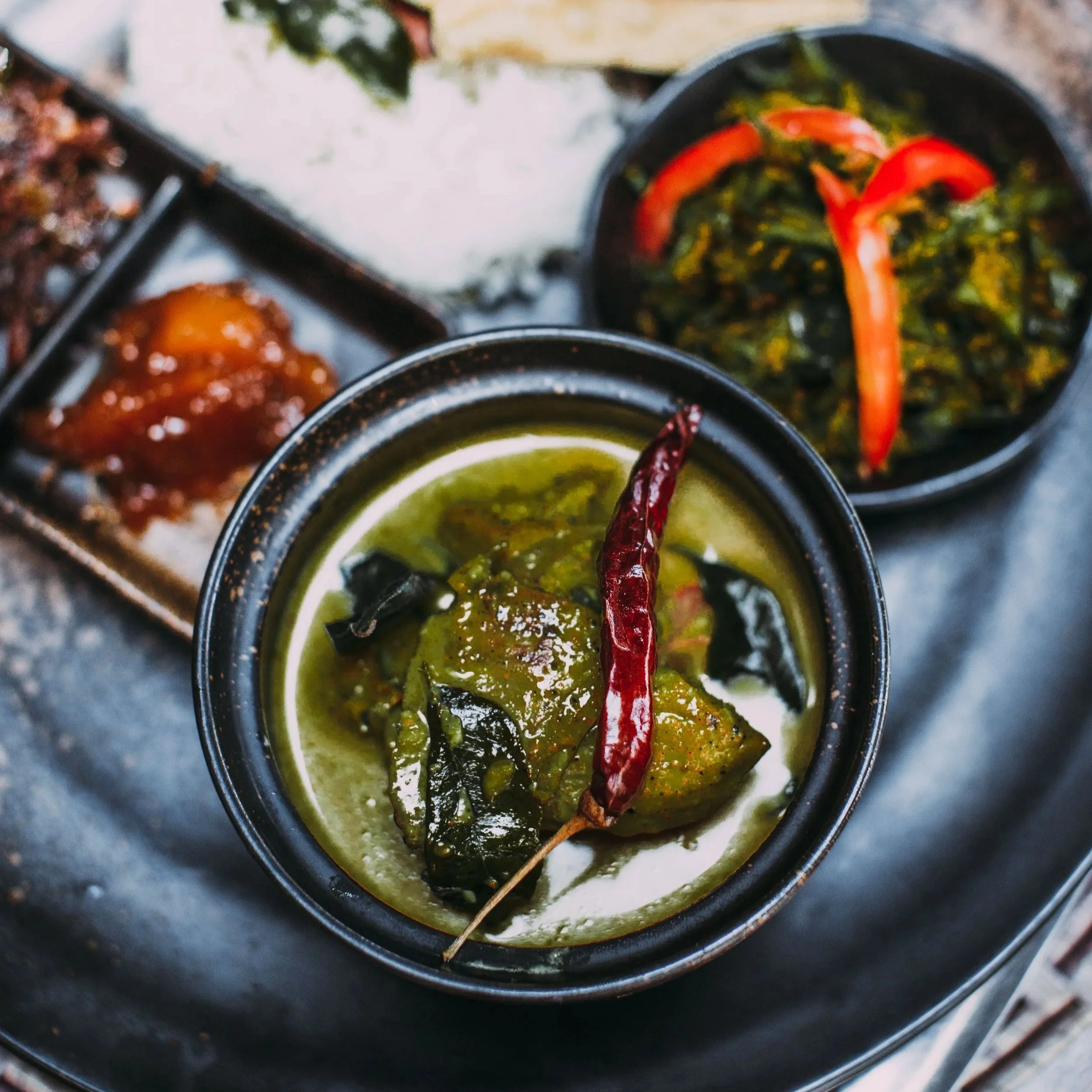
SPICY FOOD
Root Western Signal: Sensory stagnation or sluggish metabolism.
Root Ayurvedic Signal: Kapha imbalance or low digestive fire
What the Body Actually Needs: Heat, circulation, and metabolic activation.
Better Food Choices: Ginger tea, lightly spiced warm meals, clear vegetable broths
HOW TO REGULATE BEFORE YOU REACT
Cravings are not the enemy; they are real-time data on how your body is functioning. They highlight exactly where your energy is depleted, where your nervous system is overwhelmed, where your digestion is weakened, and where your emotions are left unprocessed.
To dissolve cravings naturally rather than fighting them with sheer willpower, focus on holistic regulation:
Pause and Breathe: Use box breathing or slow, deep exhalations to shift your nervous system out of "fight-or-flight" before reaching for food.
Prioritise Protein and Fiber: Eat balanced meals to prevent the sharp blood sugar crashes that trigger emergency sugar cravings.
Sync Your Cycles: Maintain consistent sleep, waking, and eating schedules to stabilize daily cortisol levels.
Process Your Emotions: Dedicate regular time to journaling, meditation, or reflection to untangle emotional eating from physical hunger.
When the body is truly nourished, the nervous system is regulated, and digestion is strong, cravings naturally quiet down. This is where modern nutrition and Ayurvedic intelligence perfectly meet—not in restriction, but in deep body awareness.